SJP SCI-TECH CLUB
  • Home
  • Student Research
    • Eel Grass Studies
    • Aquaponics Blog
    • Wind Energy Research
    • Deep Learning for BCI
    • Cloud Chamber Blog
    • And much more.. >
      • Bioluminesence
  • Lab Visits
    • Novartis Cambridge
    • Greentown Labs
    • MASS CEC
    • MIT Plasma Physics Center
    • Histogenics
    • US GreenBuild - Boston
  • Physics Olympics
    • Paper Airplanes
    • Glider Competition
  • Internships + More
    • Histogenics 2017
Picture

Introduction

3/26/2018


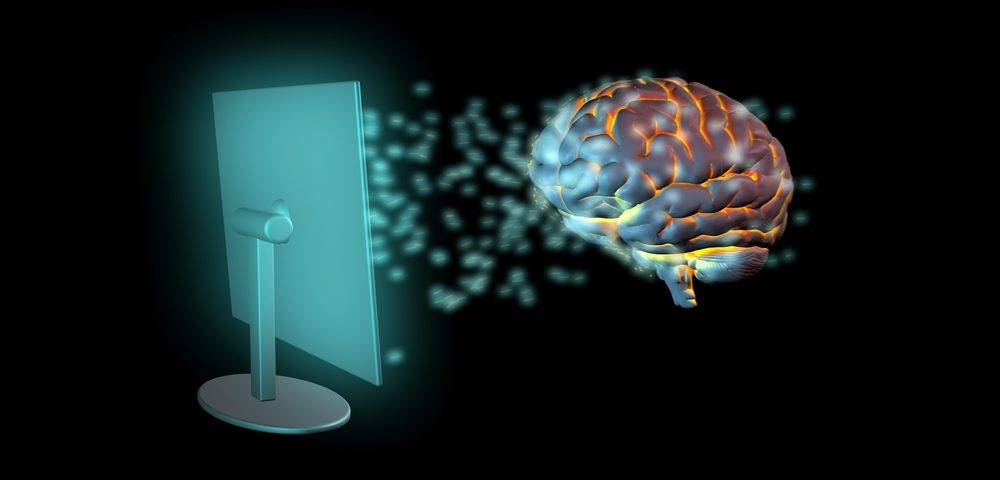
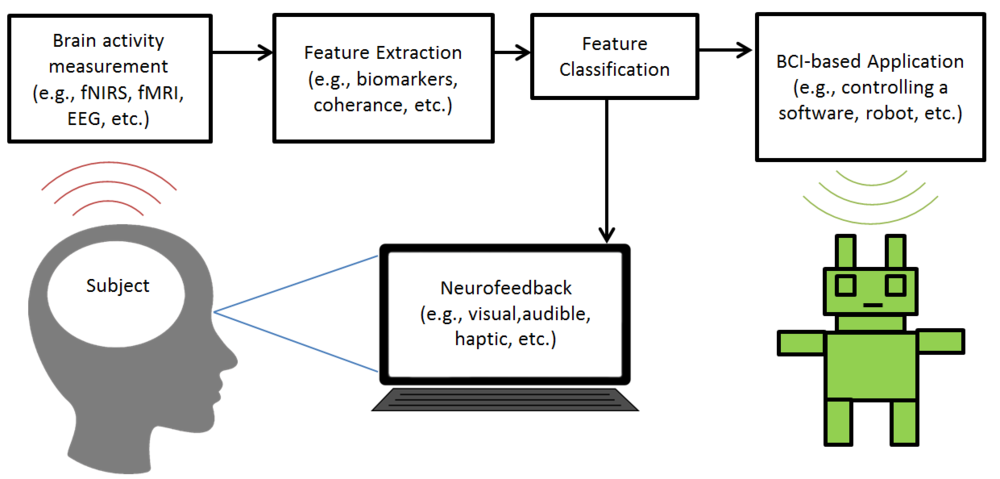
The brain computer interface, or the brain machine interface, is a hardware and software communication system that allows humans to control the external devices or interact with the surrounding by using their electric activity of the brains ​

Picture

The main challenge of developing this BCI system is the difficulty of increasing the accuracy of the algorithm, because the BCI system can not easily distinguish what people intend to do.

The main problems are: 

1. Lack of samples: In order to build a classifier with high accuracy, the classifier must be trained by enough sample pairs of brain signals with intention labled. However, researchers find it challenging to get enough samples because the experiments are time-consuming and difficult to conduct. Without sufficient samples, the classifiers can hardly discover the patterns in the brain activities and can be easily overfitting the samples, so the classifier will get a low test result.
2. Low signal-to-noise ratio: The brain activity recorded by the sensor are highly noisy. The electric noise is caused by the head motions, noise generated power-lines and eyes movements. Especially for the non-invasive BCI, the brain signal has to cross the skull, scalp and many other layers that can reduce the quality of the signal [1]. Then, the brain activities recorded by the sensors will have very low quality.3. 
3. High dimensionality of inputs: The training samples that is fed into the classifier are the voltage recorded by the sensors. Each sample contains the numerical values recorded from several channels and from several time segments. The dimension of the samples will significantly increases after concatenating the values together.


Comments are closed.

    Author

    Jack Lin 

    Archives

    April 2018
    March 2018

    Categories

    All

    RSS Feed

Proudly powered by Weebly
  • Home
  • Student Research
    • Eel Grass Studies
    • Aquaponics Blog
    • Wind Energy Research
    • Deep Learning for BCI
    • Cloud Chamber Blog
    • And much more.. >
      • Bioluminesence
  • Lab Visits
    • Novartis Cambridge
    • Greentown Labs
    • MASS CEC
    • MIT Plasma Physics Center
    • Histogenics
    • US GreenBuild - Boston
  • Physics Olympics
    • Paper Airplanes
    • Glider Competition
  • Internships + More
    • Histogenics 2017